Introducing Inside Submissions, a new series featuring Tribeca Festival programmers. Each installment features a conversation with a member of the programming team, covering everything from category-specific tips to what programmers do in the off-season.
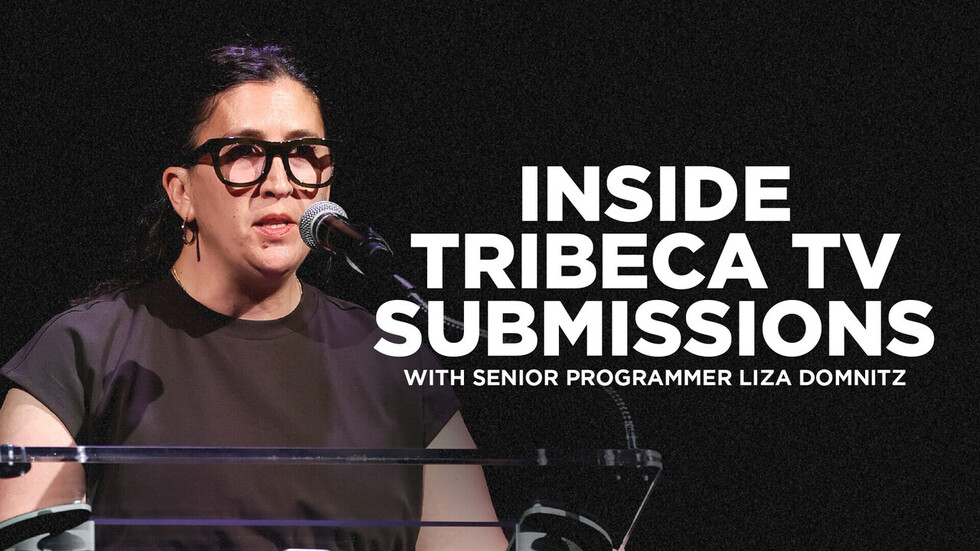
Next up: Liza Domnitz, Senior Programmer, Film & TV. Read on for her thoughts on what sets an indie TV show apart, what she’s looking for in submissions, and the first TV show to leave an impact on her.
And don’t forget: submissions are now open. See upcoming deadlines here.
Explain what you’re looking for as a Festival programmer.
When I put on my TV-specific programmer hat, I want to feel what we all want to feel when watching something serial: I cannot wait to see the next episode (whether it exists or is provided to me or not!).
What is the most common mistake you see in submissions?
In all honesty, I think in the era of links and extremely detailed, intelligently designed submission forms, I don’t really see submission “mistakes” per se. The only thing that comes to mind is: if you receive another festival invitation (or even accept one), shoot us an email so we know your premiere status has changed and can update your info. Better we know sooner than later.
What words of encouragement would you give to submitters?
Believe in the process we have designed to make sure all submissions get a fair shot. Our screeners and programmers love what they do and really appreciate the time, passion, and money that go into creating each and every one of your projects.
Works-in-progress: Tribeca largely celebrates completed works. Why is it important to hold space for unfinished ones?
Tribeca runs many filmmaker development programs, with the Tribeca Pitch Market and Works in Progress being two examples. Providing a space for folks to come in and privately present what they’ve been working on to a small group of curated industry professionals is an important part of not only building relationships with filmmakers, but also using the connections we, as a festival, have to set the stage for conversations that help get these projects completed. Works-in-progress submissions open on January 5th, 2027.
In the era of studios and streamers, why would a filmmaker make an indie TV show? What sets it apart?
The indie TV projects we’ve premiered at the Festival are such specific labors of love. These are filmmakers who chose to tease out their core stories over X episodes because they felt it better served the story. Having an episodic project means you determine the length of your project both from an episode runtime and overall episode count perspective. In some ways it provides a glorious freedom to move the story at a pace that doesn’t have to fit in a 90-minute box.
What’s the first TV show that left an impact on you?
At home, the one show I distinctly remember as appointment TV was Life Goes On on Sunday nights. And for kid-programming, Jem and the Holograms was everything. It felt very provocative and exciting to my tiny, developing brain.
What’s your go-to movie/TV snack?
Popcorn with a truly disturbing amount of brewer’s yeast.
When you’re not programming Tribeca, what are you doing?
Desperately trying to match the energy of my 4-year-old daughter and 5-year-old dog.
We can't wait to see your work!