U.S. Premiere
The Master and His Pupil
| Netherlands | 87 MINUTES | English, Spanish, Dutch
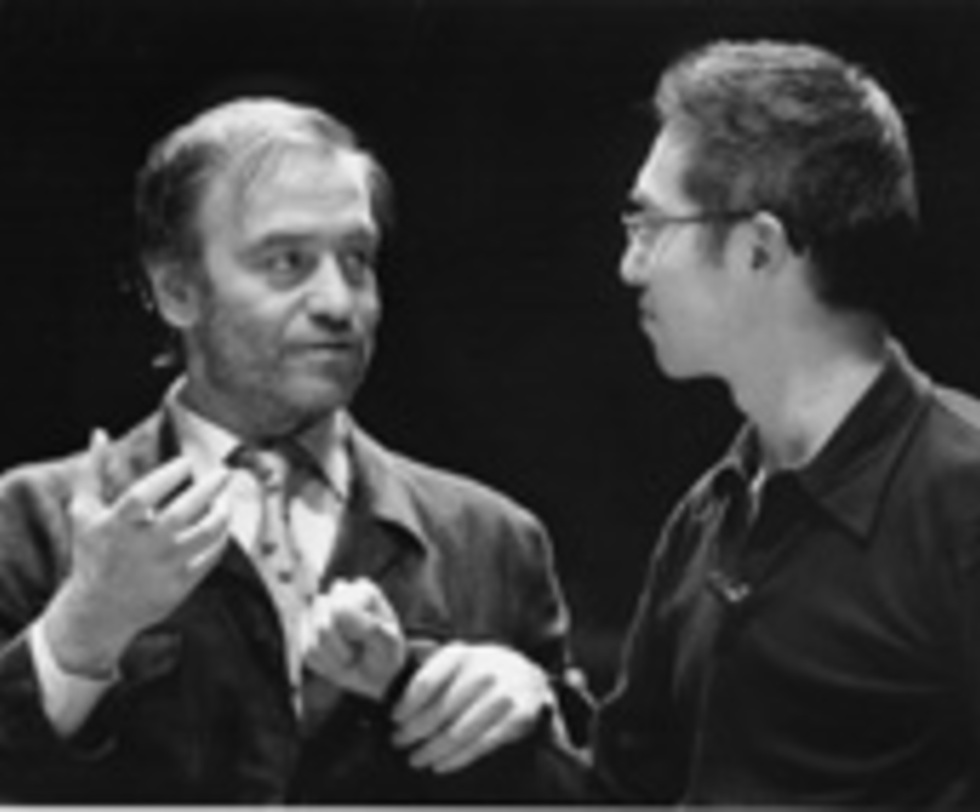
"Some people think conducting is a science, some people think conducting is an art, and some people think conducting is just magic," notes a participant in this elegant document of the science, art and magic of orchestra conducting. Just beginning their careers, three young conductors attend a master class in Rotterdam to learn under the baton of the Russian maestro Valery Gergiev. Comparing an early career as a violinist, one notes a conductor's instrument is far more colorful, yet far more difficult, a statement the film quickly proves in riveting detail. To the baton born, these pupils may or may not have been, as Gergiev watches, cajoles, corrects and scolds each through a nervewracking test-run of a performance. Conducting is a way of expressing oneself, they confess, but the master guides them towards a more important goal: the music itself, and how to guide the orchestra's musicians towards expressing it. Gergiev's criticisms are tempered with warmth and a magnetic intelligence. Hovering behind them like an artistic father, his depth of feeling and advice reveal the art of conducting not only to his pupils, but to the camera, turning The Master and His Pupil into a master class of the art behind leading an orchestra. Filmmaker Sonia Herman Dolz, whose earlier work Black Tears unforgettably captured the passion of an ageless band of Cuban musicians, wisely allows the charismatic Gergiev to stand front and center, allowing his passion for music, and for those who seek to conduct it, to speak and soar for itself.
Cast & Credits
Directed by
Sonia Herman Dolz and Cory Concoff

Want the Festival experience year round? Become a Tribeca Member for access to film & TV premieres and curated experiences. Learn More
Follow Us on Social Media